
Colwell Church: A 150-Year Legacy of Faith and Community
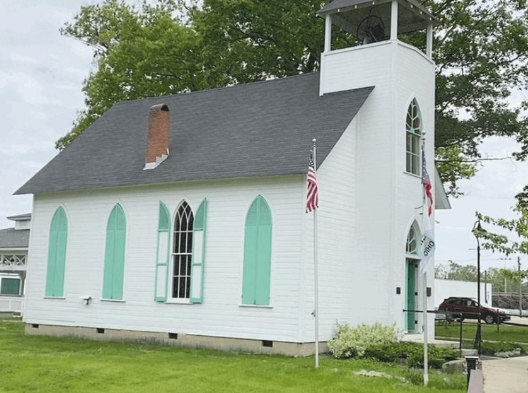
Standing today as a treasured landmark of local history, Colwell Church offers a remarkable glimpse into the faith, craftsmanship, and community spirit of 19th-century rural Ohio. Originally known as the Colwell Methodist Church, the building was constructed in 1876. As 2026 approaches, the church proudly marks its 150th anniversary - a testament to its enduring presence.
This modest yet meaningful structure measures just 1,053 square feet and seats approximately 110 people. It was originally located at the intersection of Alton Darby Road and Roberts Road, in an area once known as “Mudsock.” According to local lore, the name came from the muddy conditions of the roads—horses traveling through would accumulate thick mud around their hooves and ankles, giving the appearance of wearing “mud socks.”
The church held its final regular service in 1964. When the doors were closed, everything inside remained untouched, preserving a unique snapshot of mid-20th-century church life. Today, visitors can still see the original pews, pulpit, kneeling bench, and chairs. The interior also houses an 1873 Esty pump organ, along with an upright piano that is still maintained and used for special occasions.
After sitting vacant for nearly two decades, the church was given new life. In 1983, Glen and Janet Anderson generously donated the building, along with its contents after purchasing it from the Methodist Union. Moving the church to the Historical Village was no small feat—the roof had to be removed, and the structure was divided into two sections, transported by truck, and carefully reassembled. Historic photographs displayed inside the church capture this incredible
journey, including images of the building on a low-boy trailer and volunteers lifting overhead wires to allow safe passage. Once relocated, the interior ceiling required complete rebuilding and replastering.
One of the church’s most charming features is its hand-blown glass windows. These panes display the gentle waviness and occasional air bubbles characteristic of true antique glass. To protect them, exterior shutters have been installed. Inside, two wood-burning stoves had provided warmth during colder months, though both need repair, so they are only used for ambiance.
The bell tower holds a single bell with a unique dual-purpose design. A clapper inside the bell rings to call worshippers to service, while an exterior striker produces a solemn tone used as a mourning bell to signal a death in the community. For many years, the bell itself was missing. During preparations for the church’s foundation in the village, a simple request was made in the form of a public notice asking for its return—no questions asked. Just days later, the bell mysteriously appeared on the lawn in front of the church. To this day, no one knows who returned it. The Norwich Township Fire Department assisted in reinstalling the bell using their ladder truck.
The church’s name also has an interesting origin. When it came to naming the church in 1876, members of the congregation held a drawing, selling tickets for twenty-five cents each - a notable amount when the average daily wage was only $2. The minister’s wife purchased $25 worth of tickets, greatly increasing her odds. When one of her tickets was selected, she named the church “Colwell” after her family.
For some, the church holds deeply personal memories. Lifetime member Tim Woodruff recalls attending services there as a child. Living nearby, he would often run to the church, hoping for the chance to ring the bell.
Today, the Colwell Church continues to serve the community as a chapel. It remains an active and cherished space for tours, weddings, funerals, and special services—bridging past and present while preserving the spirit of those who built and sustained it over generations.
