
Granary / Farm Shop
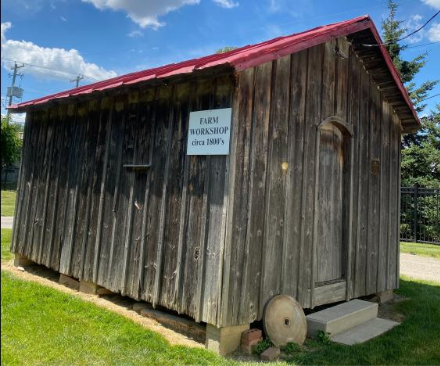
The History of the Granary
Before modern grain elevators and storage bins, farmers relied on granaries to safely store harvested crops. These structures protected grain from moisture, pests, and spoilage while providing a secure food supply for both people and livestock throughout the year.
Typically built of wood and elevated above the ground, granaries featured good ventilation and sturdy construction to keep grain dry and preserve its quality. On Ohio farms during the nineteenth and early twentieth centuries, a granary was an essential part of the farmstead and played a vital role in the agricultural economy.
The granary at the Hilliard Historical Village helps tell the story of local farming practices and the importance of agriculture in shaping our community. Today, it serves as a reminder of the ingenuity and hard work of the farm families who helped build central Ohio's rural heritage.
The Farm Workshop
Before modern machinery and repair shops, the farm workshop was the center of maintenance and craftsmanship on the family farm. Farmers used these buildings to repair tools, sharpen equipment, build furniture, and create the countless items needed for daily farm life.
A typical workshop contained workbenches, hand tools, vises, saws, and storage for hardware and supplies. During the winter months, when field work slowed, farmers often spent long hours in the workshop repairing equipment and preparing for the next growing season.
The Farm Workshop at the Hilliard Historical Village preserves this important part of rural life. It reminds visitors of the self-reliance, ingenuity, and practical skills that helped generations of farm families keep their operations running successfully.
